
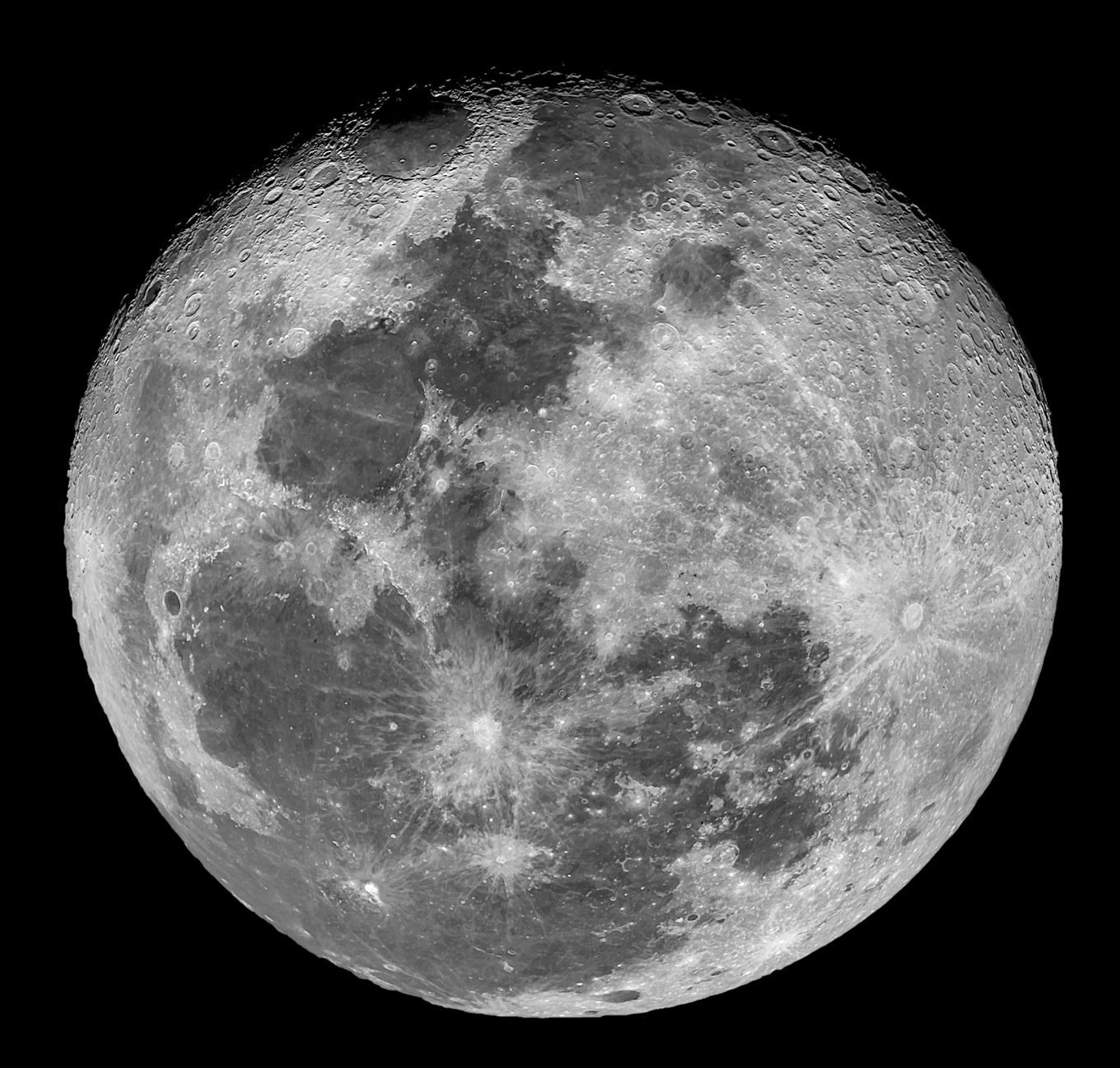
NASA’s mission pages for the Apollo Program give each flight a crew, a launch date, a splashdown date and a headline description. Six of them are set out below as they read on 31 October 2026, each with the fact that the page itself puts first. The “first”, “second”, “fourth” and “last” in these entries are NASA’s own wording.
1. Apollo 8: the first humans to orbit the Moon
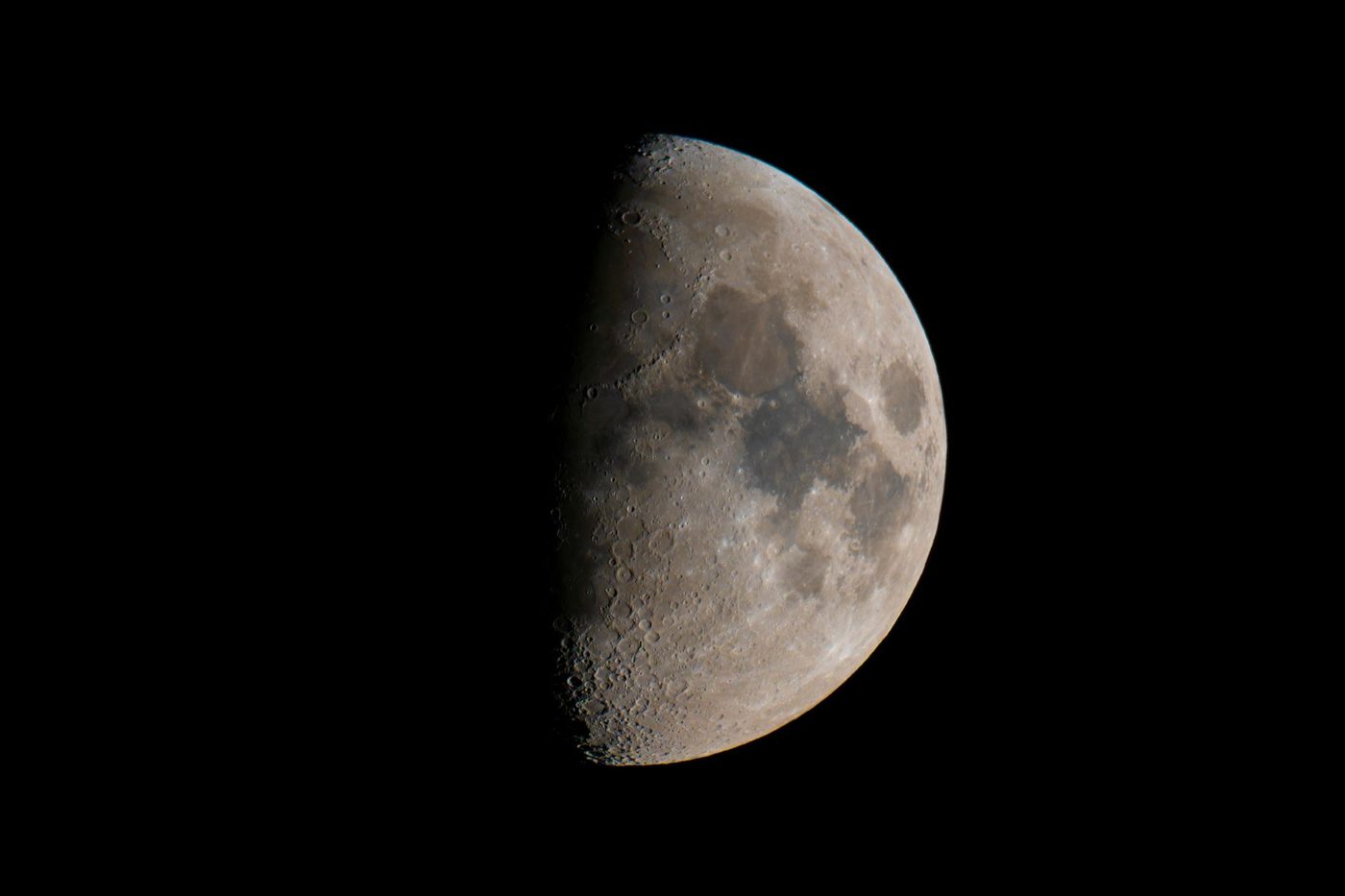
Apollo 8 launched on 21 December 1968 and splashed down on 27 December 1968 with Frank Borman, James Lovell Jr. and William Anders aboard. NASA lists its mission type as lunar landing preparation. Its page says the flight was the first crewed launch of the Saturn V rocket, and that on Christmas Eve the three astronauts were the first humans to orbit the Moon and the first to see an Earthrise above its surface. Anders took the “Earthrise” photograph in lunar orbit on 24 December 1968. NASA’s biography of Lovell adds that he flew on four missions: Gemini VII and XII, Apollo 8 and Apollo 13.
2. Apollo 11: the first human Moon landing
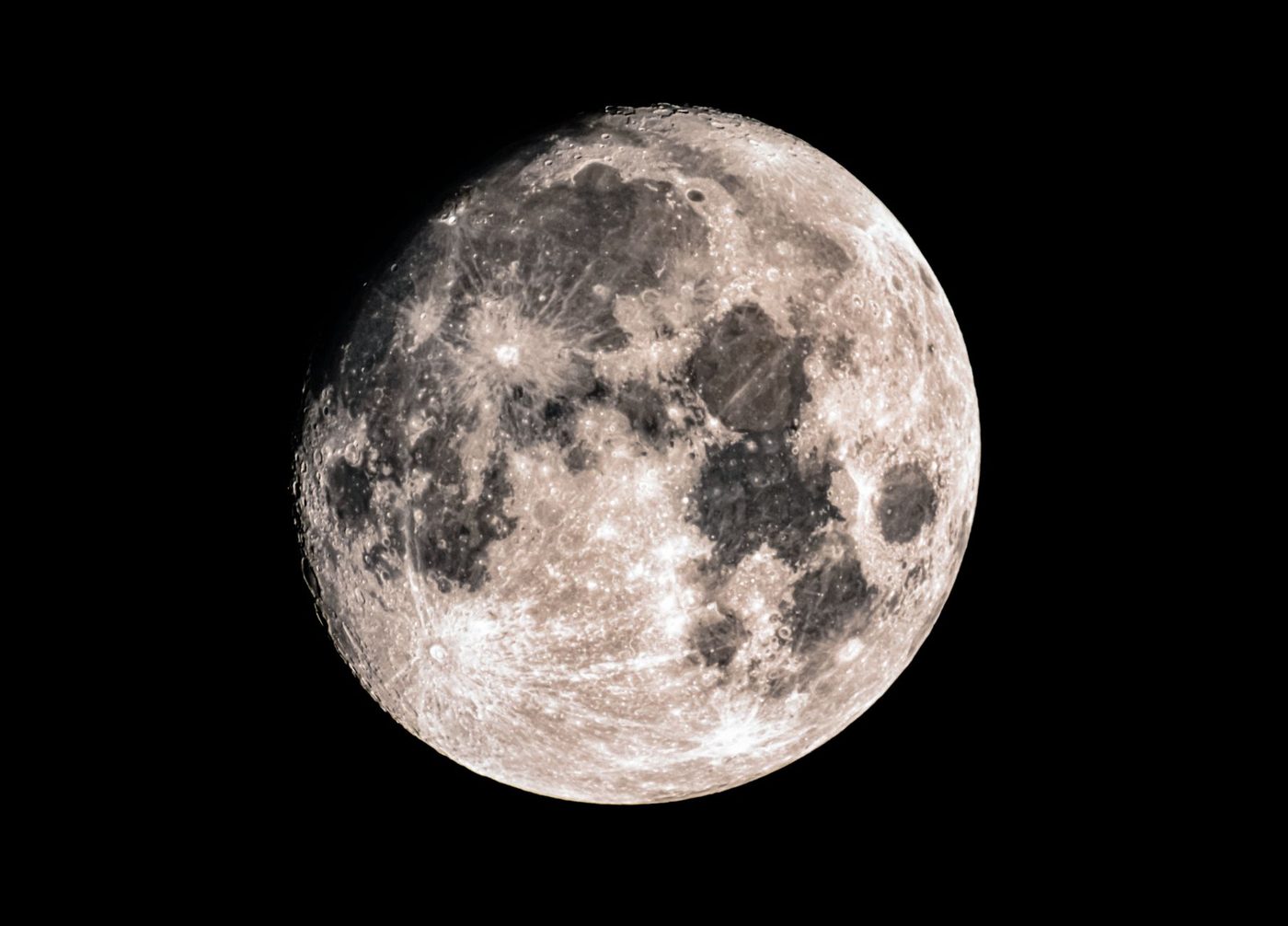
NASA gives Apollo 11’s primary objective as completing a national goal set by President John F. Kennedy on 25 May 1961: perform a crewed lunar landing and return to Earth. The mission launched on 16 July 1969 and splashed down on 24 July 1969, carrying Neil Armstrong, Buzz Aldrin and Michael Collins. NASA describes Armstrong as the first human to set foot on the Moon and Aldrin as the second, and says Collins served as command module pilot. NASA’s page refers to the “first human Moon landing”, and a NASA caption places Aldrin’s walk on the surface on 20 July 1969. Collins, according to NASA, logged over 266 hours in space, and Armstrong flew on Gemini 8 in 1966 before his Apollo 11 assignment.
3. Apollo 12: the pinpoint mission
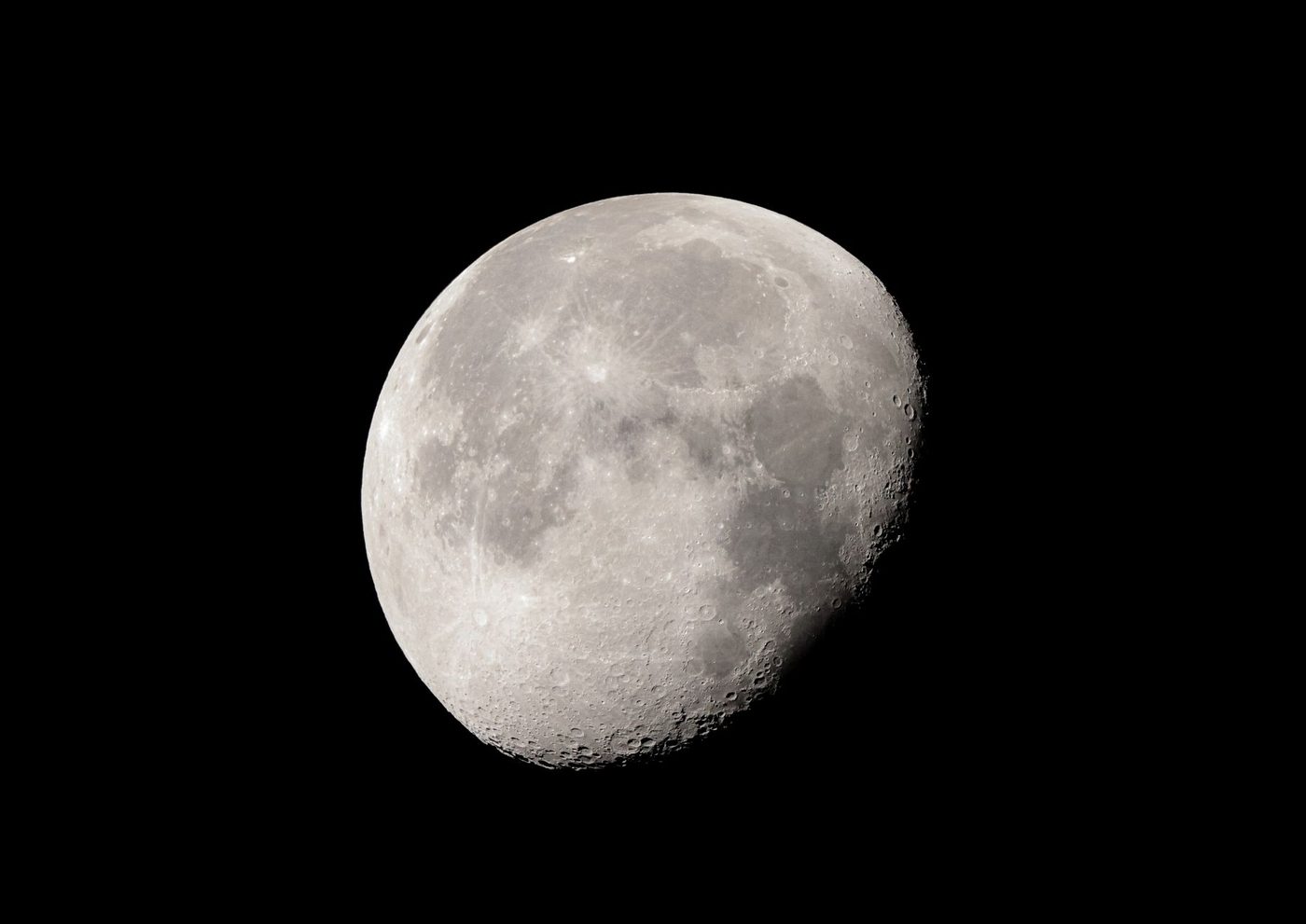
NASA’s subtitle for Apollo 12 is “The Pinpoint Mission”. Charles Conrad Jr., Alan Bean and Richard Gordon Jr. flew from 14 November to 24 November 1969, and NASA describes Conrad’s role as commander of the second lunar landing. Conrad and Bean descended in the lunar module to explore the Moon while Gordon stayed with the command and service modules in lunar orbit. NASA adds that Conrad’s final mission was as commander of Skylab II, which it calls the first United States space station.
4. Apollo 13: the intended third landing
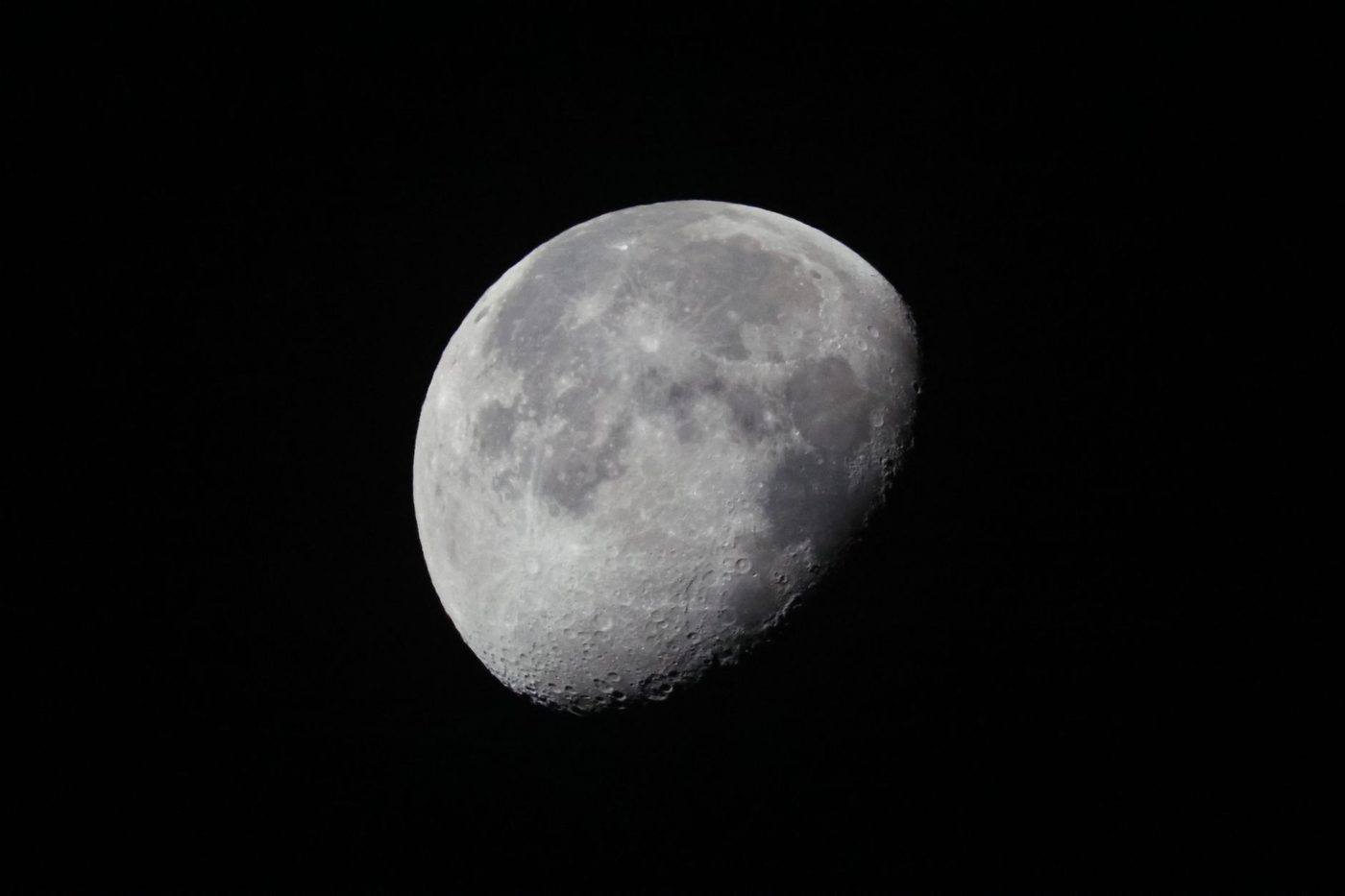
NASA says Apollo 13 launched on 11 April 1970 with James Lovell, John “Jack” Swigert and Fred Haise on what was intended to be humanity’s third lunar landing, aimed at the Fra Mauro area. The page says the mission did not go as planned, and lists its splashdown as 17 April 1970. Swigert was called on to replace prime crewman Thomas K. Mattingly as command module pilot.
5. Apollo 15: the first mission with a lunar rover
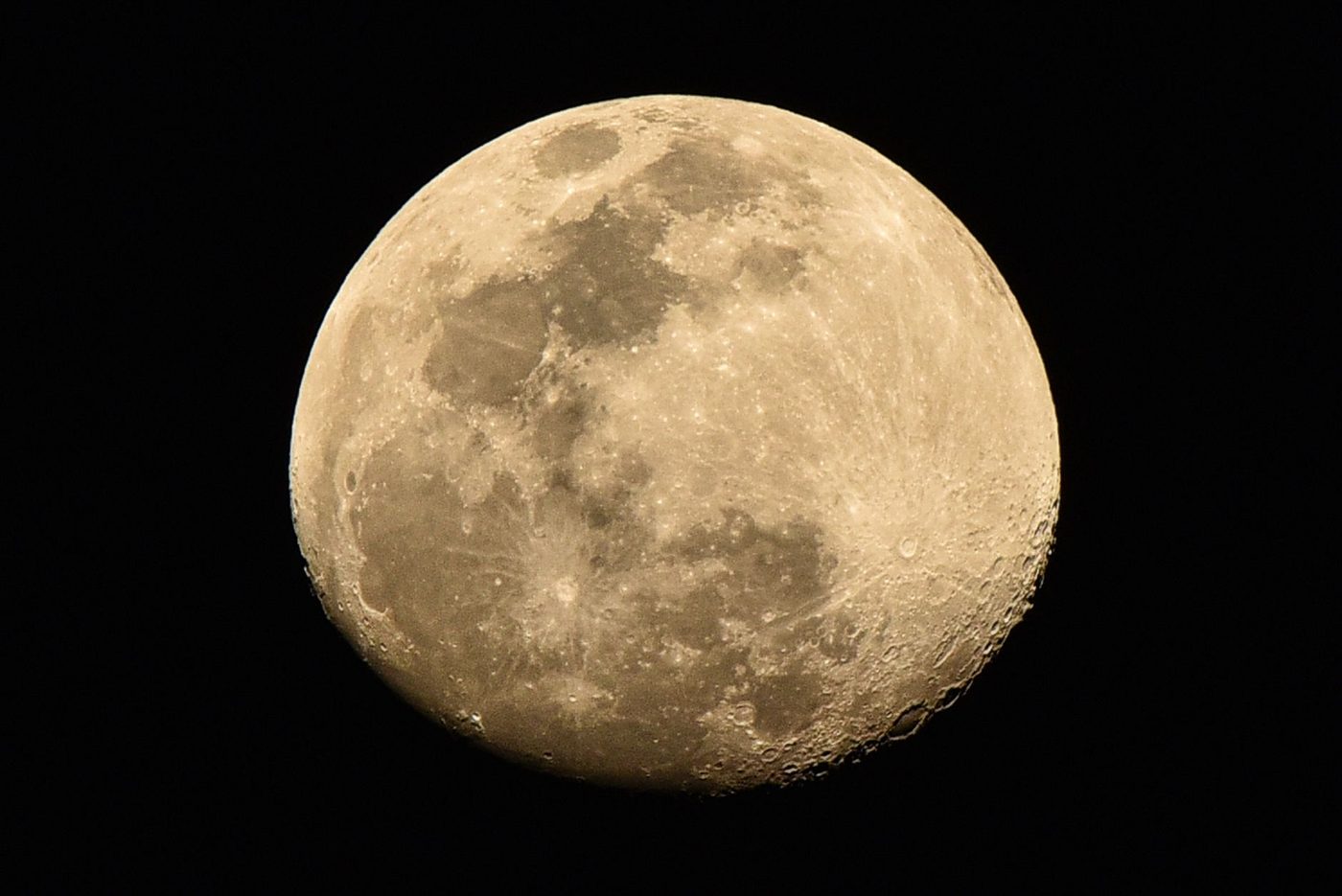
NASA calls Apollo 15 the fourth lunar landing mission and the first to use a lunar rover. David Scott, James Irwin and Alfred Worden launched on 26 July 1971 and splashed down on 7 August 1971. NASA photo captions place Scott and Irwin’s exploration in the Hadley-Apennine region, with Worden remaining in lunar orbit in the command module. NASA’s biography of Scott says he flew on Gemini 8 and Apollo 9 before commanding Apollo 15.
6. Apollo 17: the last landing and the twelfth moonwalker
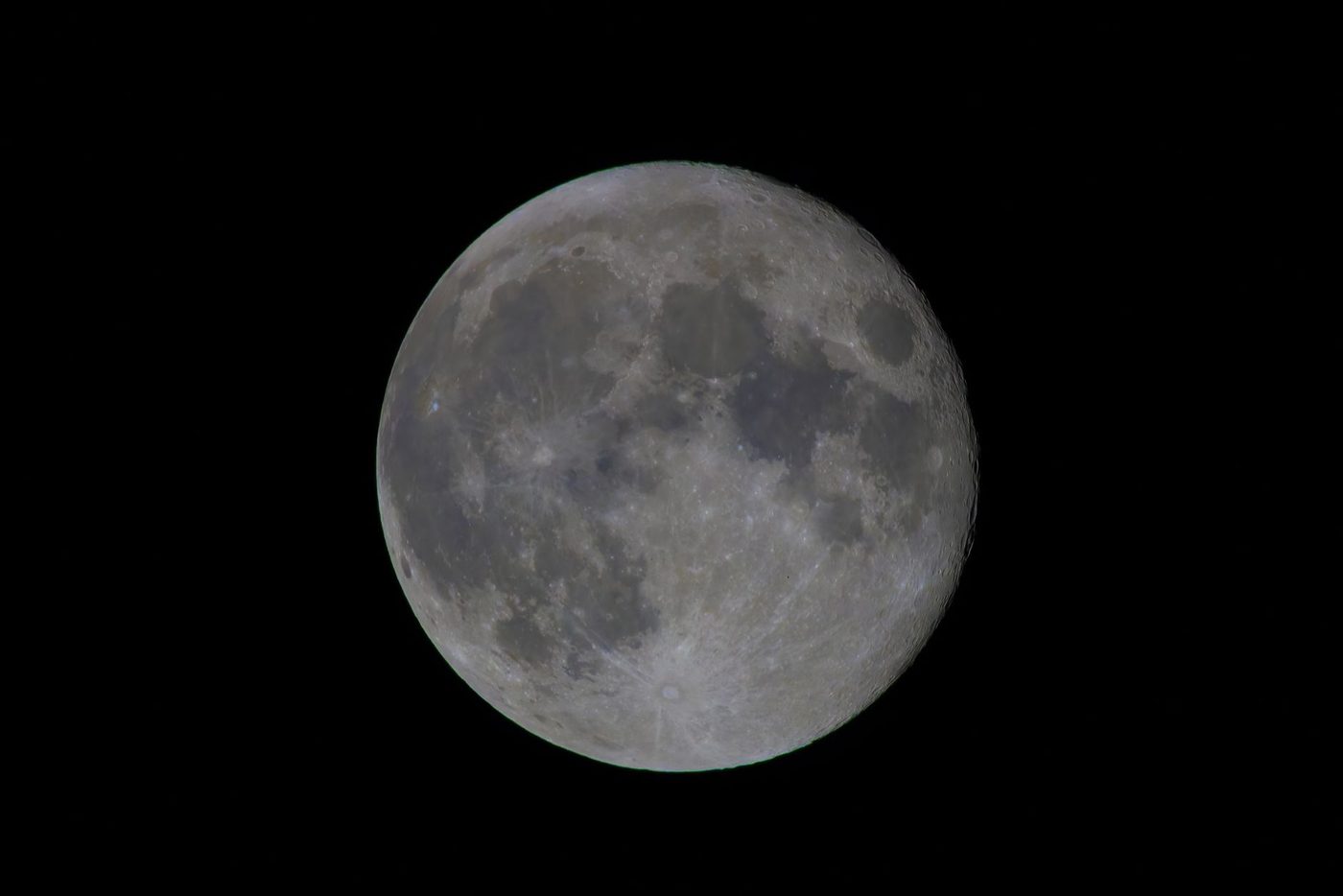
NASA calls Apollo 17 the Apollo Program’s last lunar landing mission and the first to include an astronaut-scientist. It landed in the Taurus-Littrow Valley, having launched on 7 December 1972 and splashed down on 19 December 1972 with Eugene Cernan, Harrison Schmitt and Ronald Evans. NASA describes Schmitt as the first scientist and twelfth person to step on the Moon, and Cernan as the last person to leave his footprints on the lunar surface. His biography also calls him one of only two men to have flown to the Moon on two occasions and says more than 73 of his hours in space were spent on the Moon’s surface.
Four questions these pages can answer
- Which of the six was the first crewed flight to orbit the Moon? Apollo 8, per NASA.
- Who was the second human to set foot on the Moon? Buzz Aldrin, per NASA’s Apollo 11 page.
- Which astronaut appears on both the Apollo 8 and Apollo 13 crews? James Lovell.
- Which mission is NASA’s last Apollo lunar landing? Apollo 17.
The bottom line
For a quiz, NASA’s pages supply a compact set of answers: Apollo 8 was the first crewed lunar orbit, Apollo 11 the first human Moon landing, Apollo 12 the second lunar landing, Apollo 15 the fourth and the first with a lunar rover, and Apollo 17 the last. Apollo 13 is the one on this list that NASA describes as an intended landing that did not go as planned. All dates and descriptions come from NASA’s own pages as read on 31 October 2026.
Sources
- Apollo 8, NASA, page undated, read 31 October 2026 (nasa.gov)
- Apollo 11, NASA, page undated, read 31 October 2026 (nasa.gov)
- Apollo 12, NASA, page undated, read 31 October 2026 (nasa.gov)
- Apollo 13, NASA, page undated, read 31 October 2026 (nasa.gov)
- Apollo 15, NASA, page undated, read 31 October 2026 (nasa.gov)
- Apollo 17, NASA, page undated, read 31 October 2026 (nasa.gov)
Leave a Reply